
We’ve talked about protein for years — and yeah, about half of Americans get enough of it — but do you even know what fiber is?
Let’s be real: protein gets all the social media glory (“#ProteinPacked!”), while fiber is silently doing the most in your digestive tract and literally nobody posts about it.
But the truth is this: fewer than 1 in 10 adults in the U.S. meet the recommended daily fiber intake. One large national survey found that only about 7.4% of U.S. adults were hitting fiber recommendations (based on 14 grams of fiber per 1,000 calories eaten), meaning over 90% of adults fall short.
So yeah — you likely aren’t getting enough fiber.

What is fiber anyway?
Fiber is a type of carbohydrate found in plants that your body can’t digest. It doesn’t break down like sugar or starch — instead, it travels through your digestive system mostly intact and does good things along the way.
There are two main types:
1) Soluble fiber — the sponge
✔ Dissolves in water and forms a gel-like substance
✔ Slows digestion (hello steadier blood sugar)
✔ Helps lower cholesterol
✔ Feeds good gut bacteria
Good sources: oats, beans, lentils, apples, berries, barley, psyllium, chia, flax seeds
2) Insoluble fiber — the broom
✔ Doesn’t dissolve
✔ Adds bulk to stool
✔ Keeps things moving through your gut
✔ Helps prevent constipation
Good sources: whole grains (like brown rice, whole wheat), nuts, seeds, vegetable skins, leafy greens
Most plant foods contain both types — so eating a variety helps you get the full fiber squad in your diet.
How much fiber should you actually eat?
Official guidelines say adults should get about 14 grams of fiber for every 1,000 calories consumed, which typically works out to roughly:
🔹 ~25–28 grams/day for most women
🔹 ~31–38 grams/day for most men
(depending on age and calories eaten)
But here’s the kicker: the average American only eats about 15–16 grams of fiber per day — about half of what they need.
That shortfall isn’t just an abstract diet problem — it has real health consequences.
Short-Term Benefits of Fiber
Here’s what you might notice pretty quickly when you up your fiber game:
✨ Keeps you regular
Fiber adds bulk and helps stool move through — no more wondering if you should send a search party. (Yes, you get haste points for good digestion.)
🍽 Keeps hunger in check
Because fiber slows digestion and fills up space in your stomach, you feel fuller for longer. Helpful for weight control and fewer mid-afternoon snack attacks.
🩹 Better blood sugar control
Soluble fiber slows the release of glucose into your bloodstream — which means steadier blood sugar and fewer energy crashes.
Long-Term Perks (Yes, Serious Health Stuff)
Getting enough fiber isn’t just about good poops and smaller snack cravings — it’s linked with major health benefits over time:
❤️ Heart health
Diets higher in fiber are associated with lower cholesterol and reduced heart disease risk.
🩺 Lower risk of type 2 diabetes
Soluble fiber helps with insulin sensitivity and glucose control.
🧠 Gut microbiome benefits
Fiber feeds beneficial bacteria, supporting gut health and inflammation reduction.
📉 Lower risk of chronic diseases
Studies link higher fiber intakes with lower risks of colorectal cancer, obesity, and overall mortality.
Where to actually find fiber (real food guide)
Here’s the stuff that counts (and tastes good too!):
Fruits
Berries (raspberries, blackberries) Apples & pears (with the skin!) Oranges & citrus Bananas
Vegetables
Broccoli Carrots Brussels sprouts Leafy greens
Grains & cereals
Oats & oat bran Barley Whole grain bread Popcorn (yes, really!)
Beans & legumes
Lentils Chickpeas Black beans Navy beans
Nuts & seeds
Chia seeds Flaxseeds Almonds Pumpkin seeds
Try building meals like:
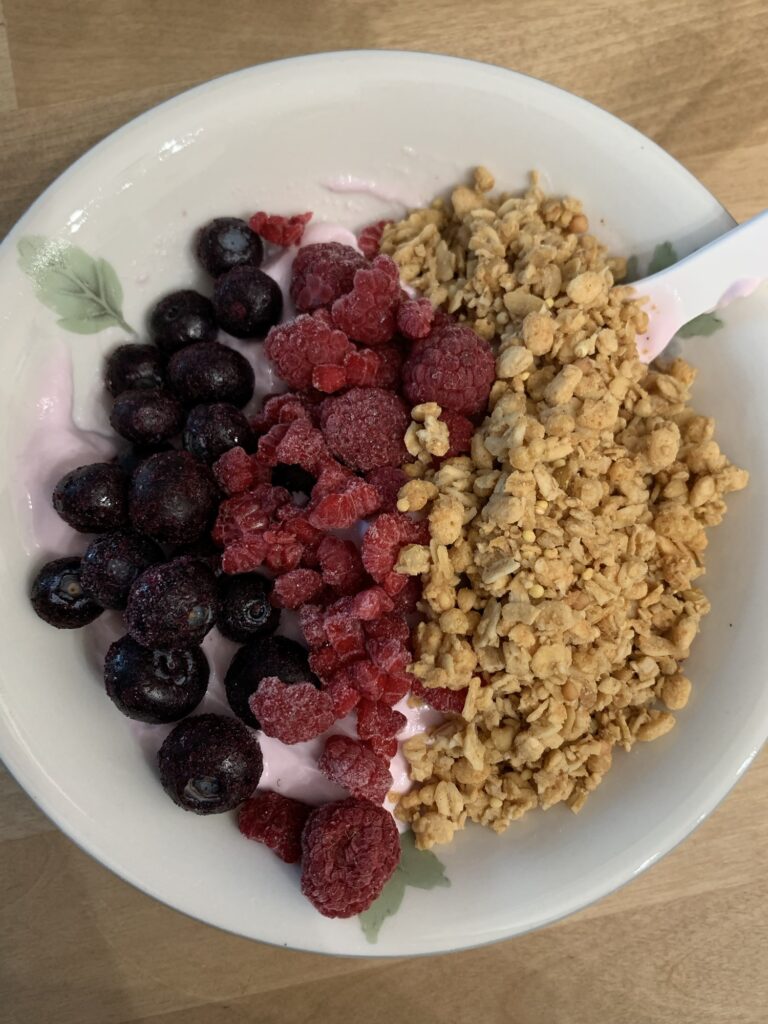
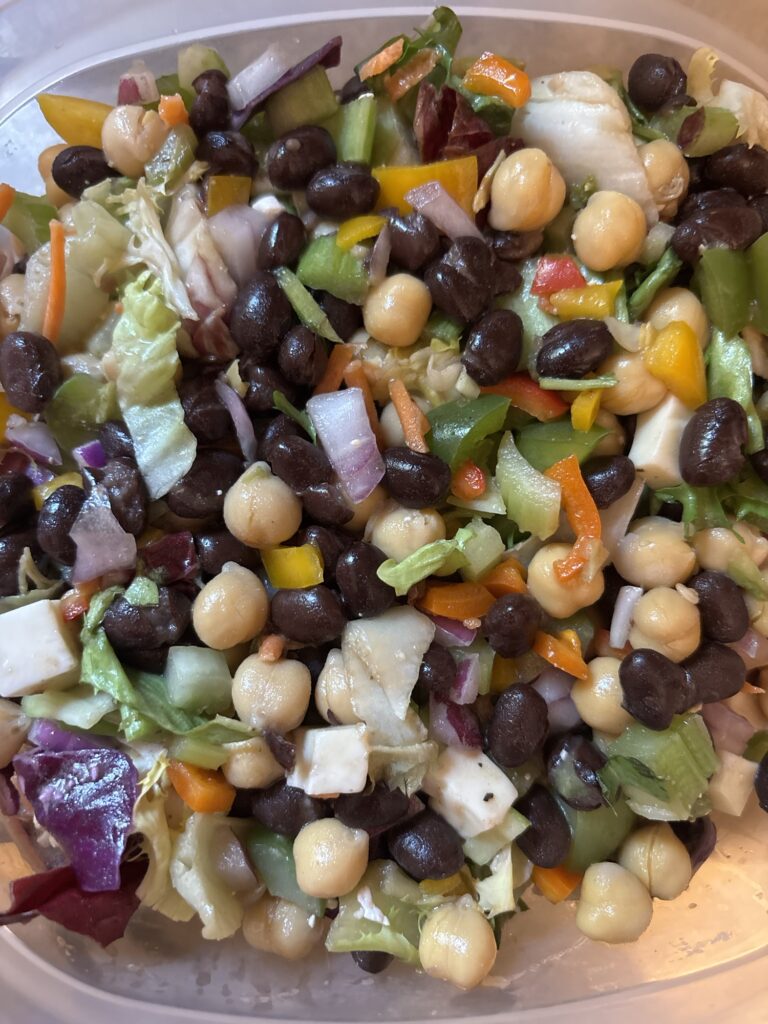
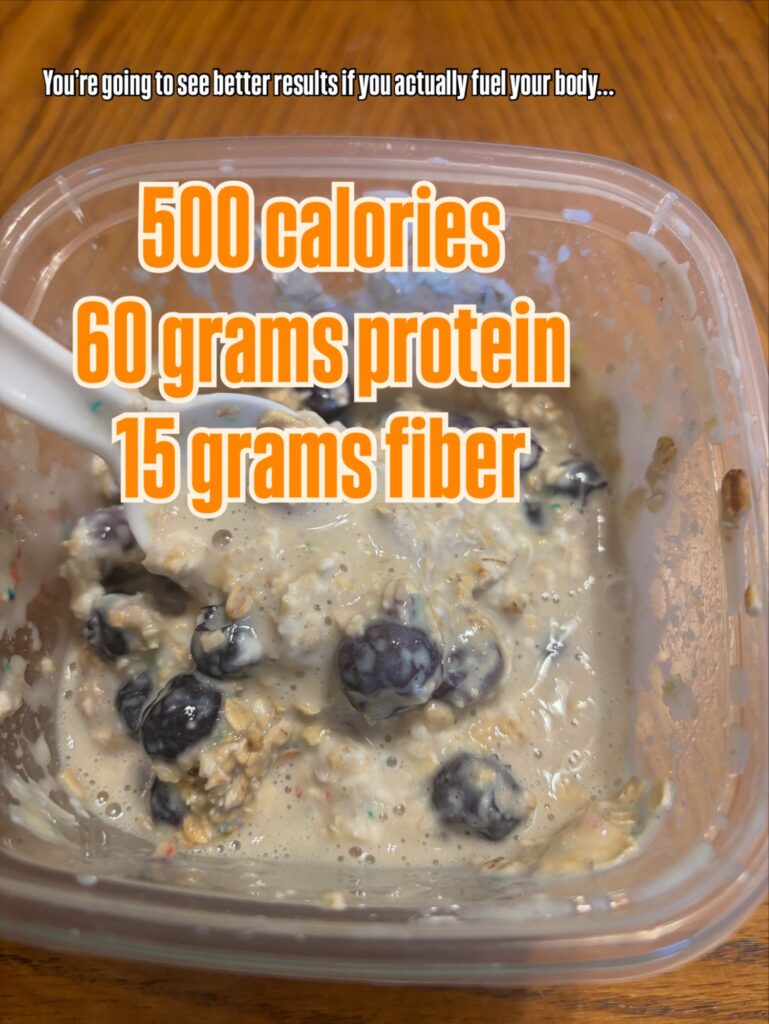
Oatmeal with berries + chia seeds Salad with chickpeas + seeds Brown rice bowl with veggies + beans Fruit + nut snack
Quick reality check
If you hear someone say “eat fiber supplements and you’re good” — sure, supplements can help, but whole foods give you way more than just fiber (micronutrients, phytonutrients, flavor, and satiety).
And when you boost fiber, do it slowly and drink more water — too much fiber too fast can cause gas, bloating, and … let’s call it “function confusion.” 😅
Bottom line
You’re not alone if you’ve never really thought about fiber before — but it’s one of the biggest nutritional gaps in the American diet.
👉 Most adults eat well below their needs.
👉 But upping fiber = better digestion, better blood sugar, better heart health, and long-term protection against chronic diseases.
So next time you think about nutrition, don’t just ask “Did I hit my protein?”
Ask: “Did I get enough fiber today?” Your gut (and your health future) will thank you.